

Getting trucking authority is one of the most important steps in starting a trucking company. Before you can legally haul regulated freight as a for-hire carrier, you’ll need to understand the FMCSA requirements, determine whether you need a USDOT Number and MC Number, and complete several required registrations before your authority becomes active.
If you’re wondering how to get trucking authority, you’re not alone. Many new carriers aren’t sure where to begin or what steps need to happen first. This guide explains what trucking authority is, how to apply, what you’ll need before and after filing your application, how to get your MC Number and USDOT Number, and what to expect for costs, timelines, and additional registration requirements.
We’ll break everything down step by step so it’s easier to follow and help you feel confident about what comes next, while also showing how the Apex Startup Program can simplify the process and get you moving faster.
Prefer to talk to someone directly?
We’ll walk you through the process and help you understand exactly what you need.
Call Us At: 844-204-6608

Start Your Authority Process
Fill out the form and we’ll help you understand exactly what you need to get started.
What is Trucking Authority?
Trucking authority refers to the official permission required to operate a trucking business and receive payment for transporting goods. When you apply for trucking authority, the government issues you two important numbers: a DOT Number, which is used to monitor your safety, and an MC Number, which indicates that you are authorized to haul freight across state lines. Without these numbers, you cannot legally operate as a for-hire trucking company in the United States.
Like many terms in the trucking industry, trucking authority is used interchangeably with many others, like motor carrier authority and operating authority. Most of the time, these terms refer to the same thing.
Who Needs Operating Authority?
Operating authority is required for most carriers, trucking companies that transport federally regulated commodities or freight in interstate commerce. The Federal Motor Carrier Safety Administration (FMCSA) is the government agency that regulates the trucking industry and grants active operating authority by issuing Motor Carrier (MC) and USDOT Numbers.
What are MC and USDOT Numbers?
USDOT Numbers and MC Numbers are both issued by the FMCSA, but they serve different purposes. A USDOT Number identifies a motor carrier for safety monitoring and compliance, while an MC Number grants operating authority to transport regulated freight for compensation. Depending on the type of freight you haul and where you operate, you may need a USDOT Number, MC operating authority, or both before you can legally begin operating.
Key Takeaway: Most new interstate trucking companies need both a USDOT Number and an MC operating authority before they can legally haul regulated freight for hire.
How to Get Trucking Authority
To get trucking authority, carriers must register with the FMCSA, obtain a USDOT number, apply for MC authority, and file proof of insurance. Once approved, trucking companies can legally haul freight across state lines.
Steps to Obtain Trucking Operating Authority
Getting trucking authority involves several required steps, from setting up your business to completing federal and state registrations. While the process can seem overwhelming at first, breaking it down step by step makes it much easier to understand what you need to do and when.
Each of these steps plays an important role in getting your authority active and preparing your trucking company to begin operating. Missing a step or completing them out of order can lead to delays, so it’s important to understand how they all fit together in the process.

Step 1. Form Your Company
Before you start filing paperwork to get authority, you need to form your company, get your EIN number, and handle other business basics requirements. This includes choosing your business structure, registering with your state, and setting up any necessary licenses.
Keep in mind that requirements vary by state and city, so it’s important to check local regulations to ensure you’re fully compliant before moving forward. You’ll also want to make sure your business name is properly secured and consistent across all registrations to avoid delays later in the process.

Step 2. Apply for Authority with the FMCSA
To apply for authority, you’ll use the FMCSA’s updated registration system, MOTUS (Modern Operating Authority System), which is replacing the older Unified Registration System. MOTUS is designed to simplify the application process and make it easier to submit and manage your filings online. The filing fee is $300 for each type of authority. It’s still a detailed process, so make sure you have all the required information ready before getting started. And don’t forget to verify if you need intrastate authority in your home state, too!

Step 3. Get Insurance
Getting trucking insurance is often a major hurdle for new trucking companies, so take your time researching it. Your authority will not be considered “active authority” without proof of insurance. Insurance rates can be very high. Fill out the applications in detail and talk to the insurance companies about your company and your plans to find the best possible insurance rates.

Step 4. Designate a Process Agent
As part of the requirements for obtaining your operating authority, you must designate a process agent. This person will receive legal documents on behalf of your trucking business, ensuring that you comply with regulations and have someone to represent you in case of legal issues. This is typically done by filing a BOC-3 form with the FMCSA before your authority can be finalized.

Step 5: Register for UCR
UCR is the Unified Carrier Registration system, this is to fund states to enforce motor carrier safety laws. Fees due under the UCR are based on fleet size and must be renewed annually.

Step 6: Register for IRP
The International Registration Plan (IRP) is a registration reciprocity agreement among the United States, Washington D.C., and Canadian Provinces providing for payment of fees based on an interstate carrier’s annual mileage in participating jurisdictions.

Step 7. Register for IFTA
In relation to fuel purchases, interstate motor carriers are required to file IFTA (International Fuel Tax Agreement) taxes on a quarterly basis through the taxing authority of the carrier’s base state. This ensures fuel taxes are properly distributed to each state based on where the miles were driven.

Step 8. Heavy Vehicle Use Tax (HVUT)
If you own a vehicle with a gross weight of 55,000 pounds or more, you are required to file a Heavy Vehicle Use Tax return, or Form 2290, with the IRS each year. In addition, there are four states that have additional weight-distance taxes for hauling within them. If you plan to haul regularly through Kentucky, New Mexico, New York, or Oregon, you’ll want to complete those registrations as well.
Each of these steps must be completed before your authority becomes active. Missing filings or completing them out of order can lead to delays, so it’s important to understand how the process works and what’s required at each stage.
Sounds like a lot of paperwork, right? We can help simplify the process. The Apex Startup Program has helped thousands of carriers form their companies, get active authority, and start hauling freight. We customize a startup and authority package depending on the filings and registrations you actually need, along with resources to help you get started on the right foot.
Once you begin hauling loads, many new carriers use freight factoring for trucking companies to maintain steady cash flow while waiting for broker payments.
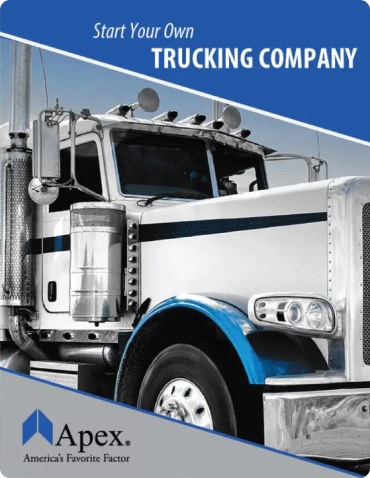
Free Download:
Start Your Own Trucking Company
Download our free guide to help you understand all the requirements for getting your MC and DOT Numbers and starting your trucking company.
In it, we talk about the FMCSA, licenses, registrations, fees, taxes, business expenses, and more.
How Much Does It Cost to Get Your
Own Authority?
The FMCSA charges $300 to file the paperwork and get your authority issued. This fee includes your MC and DOT Numbers. Additionally, if you want to reactivate your authority, that costs $80, and if you need to change the name on your paperwork, that costs $14.
While those filing fees are relatively straightforward, they’re only one part of the total investment. To actually get your authority active and start hauling freight, you’ll need to cover additional requirements that can increase your startup costs quickly. Knowing what to expect upfront can help you avoid delays, budget properly, and get on the road faster.

If you want active authority to be able to haul freight, you’ll have to spend significantly more to meet all the requirements. We’ve put together estimates of the costs to start a trucking company, including other filing and registration fees, insurance down payments, and taxes.
If you’re ready to get started or want help understanding your total startup costs, fill out the form above, and we’ll help you understand your next steps and what to expect.
Types of Operating Authority
In the Unified Registration System, where you apply for your MC and DOT Numbers, there are several different types of operating authority you can choose. The three main types of operating authority are motor carrier, broker, and freight forwarders. Depending on your type of operation or the cargo you carry, you might need to have multiple operating authorities. If you apply for the wrong one by mistake, the FMCSA does not refund fees, and it isn’t easy to fix those mistakes.
Most applicants will register with the Unified Registration System (URS) online to obtain operating authority. However, the process of applying for authority from the FMCSA is not straightforward and depends on whether you’ve applied before or not. That’s just another reason why the Apex Startup Program is here to help you!
Staying Compliant After Your Authority Is Active
Getting your trucking authority is just the first step. To stay active and avoid interruptions, you’ll need to keep up with ongoing filings, renewals, and compliance requirements. These can include updates to your USDOT registration, annual filings, and other required paperwork to keep your business in good standing.
The Apex Startup Program doesn’t stop once your authority is approved. Our team can also help you stay on top of these requirements, so you can focus on running your business instead of worrying about missing important deadlines.
Trucking Authority FAQs: What New Carriers Need to Know
New authority can be exciting but it also comes with paperwork waiting periods and a lot of moving parts. Missing one step can delay your approval or keep you off the road longer than expected. These FAQs walk through what you need to know so you can avoid common mistakes and get your authority active as quickly as possible.
What is Trucking Authority?
Trucking authority is the legal permission required to operate a trucking business and haul freight for hire. It is issued by the Federal Motor Carrier Safety Administration and typically includes a USDOT number and an MC number. Without active authority, you cannot legally transport freight or get paid for hauling loads. Working with a provider like Apex can help make the process easier from the start.
How Do I Get Trucking Authority?
To get trucking authority, you must register your business, apply for a USDOT number, and file for MC authority through the FMCSA. You will also need to complete a BOC 3 filing and secure the required insurance before your authority becomes active. Having support throughout the process, such as through the Apex Startup Program, can help ensure everything is done the first time correctly. The key is making sure every step is completed correctly and in order so your authority doesn’t get delayed.
Who Needs Trucking Authority?
You need trucking authority if you plan to haul freight for payment, especially across state lines. Most owner-operators and trucking companies operating as for-hire carriers must have active authority. If you only haul your own goods or operate strictly within one state, requirements may vary. If you are unsure what applies to your situation, Apex Startup specialists can help guide you.
How Long Does it Take to Get Trucking Authority?
Getting trucking authority typically takes a few weeks from the time you submit your application. After filing, there is a required review period while your insurance and BOC 3 filings are processed. The timeline depends on how quickly each step is completed and whether your information is submitted correctly. Working with an experienced team like Apex can help keep the process moving without unnecessary delays.
How Much Does it Cost to Get Trucking authority?
The cost of getting trucking authority depends on your setup, but it typically includes the FMCSA filing fee, insurance down payment, and additional registrations. While the MC authority filing itself is a fixed fee, insurance is usually the largest expense for new carriers. Planning ahead or getting guidance from Apex can help you better understand total startup costs.
What is The Difference Between a USDOT Number and an MC Number?
A USDOT number identifies your trucking company for safety monitoring and compliance tracking, while an MC number gives you legal authority to haul freight for hire. Most carriers operating across state lines need both in order to run their business legally. If you are not sure which registrations you need, Apex can help you determine the right setup.
What Do I Need Before Applying for Trucking Authority?
Before applying for trucking authority, you should have your business entity set up, your EIN ready, and a clear plan for how your company will operate. It’s also important that your business name and details match across all documents, including insurance. Getting everything organized upfront helps you avoid delays later, and the Apex Startup Program can help guide you through this setup.
What Can Delay My Trucking Authority From Being Approved?
The most common delays come from missing insurance filings, incorrect business information, or incomplete paperwork. Even small mismatches between your application, insurance, and filings can keep your authority in pending status longer than expected. Avoiding these issues from the start is key, which is why many new carriers choose to work with Apex to help get everything filed correctly.
When Can I Start Hauling Loads After Getting My Authority?
You can start hauling loads once your trucking authority is active and all required filings are approved. This means your insurance is on file, your BOC 3 is submitted, and your status shows active. Until then, you are not legally allowed to haul freight for hire. Once your authority shows active and all filings are complete, Apex can also help you get paid faster and keep your cash flow moving.
Still have questions? Explore our full Startup FAQ for more answers on trucking authority, requirements, timelines, and what to expect as you start your business.
Take the Next Step Toward Launching Your Trucking Business
As you can see, getting trucking authority on your own isn’t always as easy as just applying to get an MC number or DOT Number. The Apex Startup Program experts know exactly what to do and can simplify the entire process for you! We also help our clients with ongoing requirements, authority updates, and reminders for important deadlines.
Ready to move from paperwork to profit?
The Apex Startup Program has helped thousands of carriers form their companies, get active authority, and start hauling freight. We also support ongoing requirements like annual filings, authority updates, and important deadline reminders so you stay compliant after you get started.
Call Us at:
844-827-4520