

If you’re starting a trucking company or expanding the freight you haul, you’ll likely run into the terms exempt freight and non‑exempt freight. While they may sound like regulatory fine print, the difference can directly affect payment protection, risk exposure, and business planning.
Understanding what freight is and how it is classified helps trucking companies make informed decisions, especially when it comes to who pays you and what options you have if something goes wrong.
Let’s break down the basics with types of freight in plain language and explain why exempt vs. non‑exempt freight matters in day‑to‑day trucking operations.
Why Freight Classification Matters for Trucking Companies?
For carriers, freight classification isn’t just about compliance. It plays a role in how payment disputes are handled.
Broker Bonds and Payment Protection
When hauling non‑exempt freight, carriers may be eligible to pursue a claim against a broker’s bond if a broker fails to pay, provided the claim meets the legal requirements.
However, exempt freight typically does not qualify for broker bond claims.
This means:
- Bond claims are generally unavailable for exempt loads.
- Payment recovery may depend on the shipper, receiver, or contractual terms
- Carriers may assume more financial risk on exempt freight
For newer trucking companies, understanding this distinction early can help prevent costly surprises.
What Is Exempt Freight?
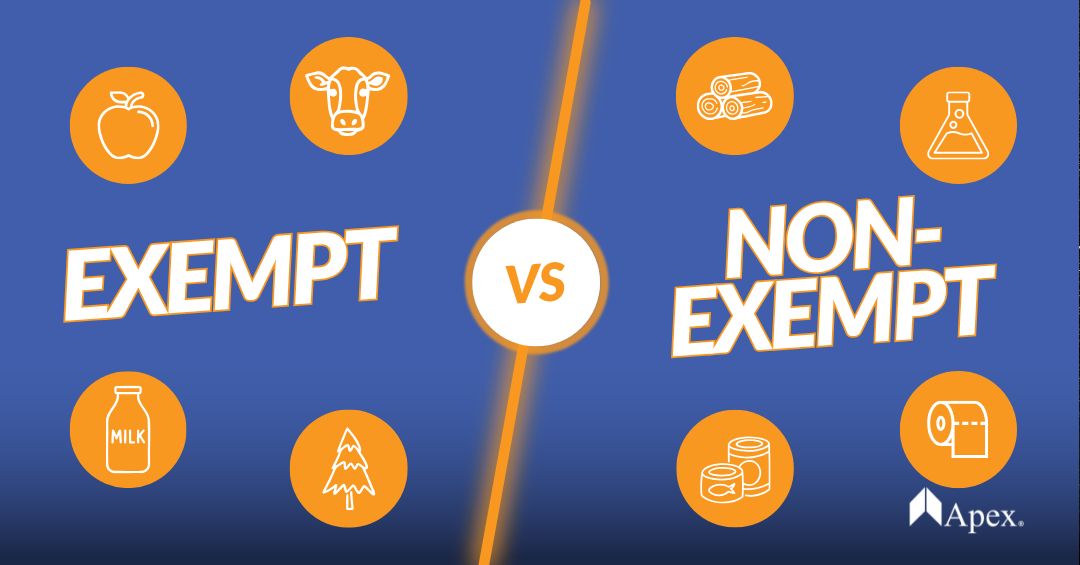
Exempt freight generally refers to goods that are unprocessed, perishable, or time‑sensitive. This cargo is typically exempt from certain federal economic regulations under FMCSA guidance.
Common examples of exempt freight include:
- Fresh fruits and vegetables
- Livestock
- Milk and other raw dairy products
- Hay and agricultural commodities
- Plants, flowers, and nursery stock
Because these commodities often move quickly from producers to markets with little processing, they’re regulated differently than most manufactured goods.
What Is Non‑Exempt Freight?
Non‑exempt freight, often referred to as regulated freight, includes goods that have been processed, manufactured, or preserved, thereby extending their shelf life.
Examples of non‑exempt freight include:
- Lumber and building materials
- Paper products
- Pet food
- Packaged goods
- Chemicals and insecticides
- Gravel and construction materials
These shipments are subject to standard federal transportation regulations, and that distinction becomes especially important when payment disputes arise.
What New Carriers Should Consider Before Hauling Exempt Freight?
Exempt freight can sometimes offer higher rates, but higher rates often come with additional considerations. Before accepting exempt loads, it’s smart for carriers to:
- Confirm the commodity classification before booking
- Work with reputable brokers or shippers
- Ensure Bills of Lading (BOL) or proof of deliveries (POD) are accurate and complete
- Take extra care with handling and documentation
- Understand who is responsible for payment if issues arise
These steps don’t eliminate risk, but they can significantly reduce exposure.
For a broader understanding of how federal oversight impacts trucking operations, our guide on what the FMCSA does for trucking companies offers helpful context for carriers navigating regulations. Additionally, carriers can protect their cash flow by working with Apex Capital’s non-recourse factoring, which covers exempt freight.
How Does Exempt and Non Exempt Freight Fit into Trucking Compliance?
Freight classification is one piece of the larger compliance puzzle. Topics like operating authority, broker requirements, and recordkeeping all intersect with how loads are handled and paid.
If you want a wider view of the regulatory landscape, check out our article on important trucking industry regulations. It covers several foundational rules every trucking business should understand.
The Bottom Line : Knowledge Helps Protect Your Business
Knowing the difference between exempt and non‑exempt freight helps trucking companies:
- Evaluate payment risk before hauling
- Make informed load decisions
- Protect cash flow and business stability
- Navigate compliance with greater confidence
While no single rule determines success, understanding freight classification puts you in a stronger position to protect your business and plan for sustainable growth.
Whether you’re hauling exempt freight, non‑exempt freight, or a mix of both, Apex Capital has you covered for all your freight factoring needs—with fast, reliable funding, decades of deep industry expertise, and the support trucking companies need to stay focused on the road ahead. Apply today and see why Apex Capital is America’s Favorite Factor®.