



Every mile directly impacts your profitability. According to ATRI’s, “An Analysis of the Operational Costs of Trucking: 2025 Update”, empty miles rose to an average of 16.7% in 2024. Translating to billions in wasted revenue and added operational expenses for trucking companies. Deadhead miles can turn profits into a financial drain, but with smart strategies, you can reduce deadhead trucking and boost your profitability.
At Apex Capital, we are more than just a leading freight factoring company. We are your partner in optimizing freight logistics and freight management. Our services, including trucking factoring and exclusive tools like NextLOAD, help you reduce empty miles and improve cash flow. In this post, we will explore what deadheading in trucking is, the hidden costs, and tips to help you avoid it. Let’s get your trucks loaded and your business moving forward.
Keep on Truckin’ – How to Avoid Deadheading Empty Miles
Deadheading, also known as empty miles trucking or deadhead miles, refers to driving a truck without cargo. Which can be either to pick up a load or return after delivery. It is different from bobtailing, which is driving without a trailer. Common scenarios include repositioning after a one-way haul or heading to a new pickup point due to irregular load availability. In essence, deadhead miles are non-revenue-generating trips that still incur trucking costs, such as fuel and maintenance.
Understanding deadheading is key to fleet optimization and performance. Many in the industry aim to keep their hauls under 15% deadhead miles to stay competitive, but many operations hover between 20% and 35%. Integrate better transportation management practices to turn wasted miles into growth.
The Costs of Empty Miles
Empty miles are inconvenient and a major hit to your wallet. Let’s break down the deadhead trucking costs with real-world examples.
First, there is the direct financial impact: fuel, wear and tear, and lost revenue. Imagine driving 100,000 miles annually at 6 miles per gallon with diesel prices averaging $4.39 per gallon. If 28% of those are deadhead miles, you are burning about $20,482 in fuel alone without any income. Add maintenance costs such as tires, brakes, and engine wear, and the total operating cost per empty mile can reach $2.27 or more.

Also, do not forget the opportunity costs. Every empty mile means less time for paid hauls, impacting your fleet efficiency and revenue per mile. Master the P&L Statement: Apex Capital’s Guide to Reading and Using Your P&L for Bigger Profits can show how deadhead expenses appear on your books and how fleet cost-reduction strategies can help.
Strategies to Avoid Deadheading
The key to avoiding deadhead miles lies in proactive planning and smart partnerships. Here are step-by-step backhaul strategies in trucking to reduce empty miles. By implementing these trucking solutions, you can achieve significant fleet cost reduction.
Use Load Boards Wisely
Platforms like NextLOAD, our free, exclusive load board for Apex factoring clients, make it easy to find quality backhauls. Search for loads near your drop-off point to turn one-way trips into roundtrips, minimizing deadhead trucking.
Plan Triangle Routes
Instead of point-to-point hauls, create loops connecting multiple loads. This optimizes trucking routes and boosts fleet performance. For example, deliver from A to B, pick up at B for C, then backhaul from C to A.
Build Collaborative Partnerships
Work with brokers and shippers who prioritize backhauls. As a factoring company for trucking, Apex connects you with trusted networks through our freight factoring services, helping with freight optimization and logistics management.
Leverage Data-Driven Routing
Analyze past runs to identify patterns and avoid high-deadhead areas. Aim for under 15% empty miles by focusing on regional hauls where loads are denser.
Negotiate with Shippers
Discuss deadhead compensation in contracts. Some pay 60 to 90 cents per mile. This supports fleet cost management and keeps your operation profitable.
Tools and Technology to Reduce Deadhead Miles
Technology is a gamechanger for minimizing deadhead trucking. Route optimization apps and GPS software help plan efficient paths, reduce transportation costs, and improve fleet efficiency.
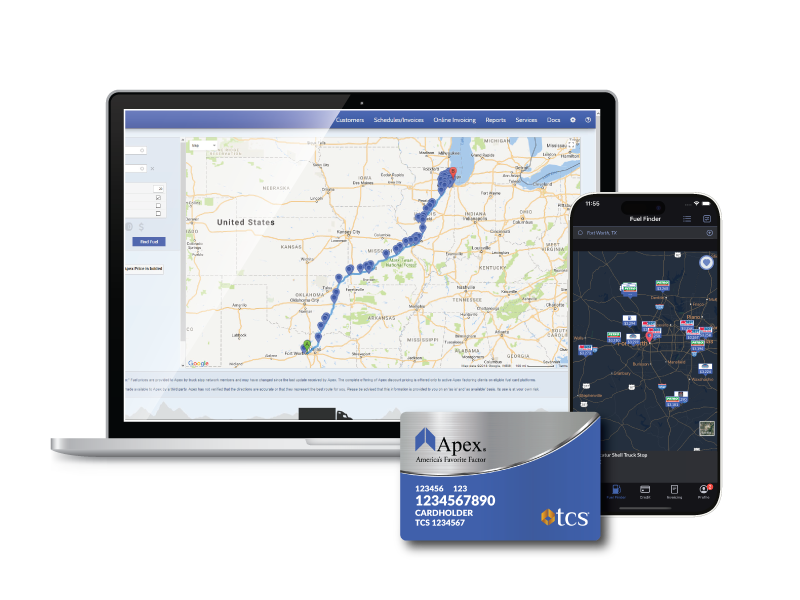
A standout tool is NextLOAD, an exclusive load board for Apex clients, integrated with TMS providers such as Ascend, McLeod, and Transport Pro. Its advanced search, filtering, and sorting features let you quickly find quality backhauls, turning potential empty miles into revenue. Pair this with our Apex Fuel Discount Program to save on diesel prices during any unavoidable runs. For broader tech insights, read Essential Trucking Software Solutions: Streamlining Your Operations for Success.

Safety Considerations with Deadheading
Deadheading is not just costly, it is riskier. Empty trailers can sway in the wind, increasing instability, especially at highway speeds. To mitigate:
- Secure your trailer properly and check weight distribution.
- Reduce speed in adverse weather.
- Conduct regular inspections to mitigate additional wear from empty runs.
Prioritizing safety enhances fleet performance and protects your investment. As part of our commitment as America’s Favorite Factor™. Apex offers resources to keep you safe and efficient.
Drive Smarter with Apex Capital
Avoding deadhead miles is essential for improving trucking efficiency and profitability. By understanding what deadheading is, calculating its costs, and using strategies like backhaul planning and tools you can reduce empty miles in trucking and focus on growth.
Ready to eliminate empty miles? Sign up with Apex today for powerful ways to avoid deadhead miles, including exclusive access to the NextLOAD load board for quality backhauls, fuel card discounts to save on every mile, and freight factoring to boost your cash flow and keep your business moving strong. Visit Freight Factoring for Truckers to get started. Drive full and drive smart, with Apex by your side.