

In trucking, you know fuel and load rates can change quickly. But do you know your profit from last month? It’s easy to stay busy with loads, drivers, trucks, and staying afloat in a changing industry. However, without knowing your trucking finances, you might work hard but not get any traction.
A Profit & Loss statement, or P&L, is like a report card for your money. It shows how much money came in and how much went out over a period, such as a month or a year. For truckers, it helps you see whether you’re making real money per mile, breaking even, or worse, losing money. Reliable cash flow makes tracking your P&L easier. When brokers pay on time, you can focus on profits, but that’s not always the case. Many company owners use freight factoring for fast payment on invoices.
What a Profit & Loss Statement is and why it matters.
A P&L summarizes your money in minus money out over time. The math: Revenue – Expenses = Net Profit (or Loss). Positive means profit; negative means loss.
It has three main parts:
- Revenue: Money coming in from work.
- Expenses: Costs to run the business.
- Net Profit: What’s left after expenses.
In trucking, expenses vary widely with miles, fuel prices, and breakdowns. Here’s an approximate example: Last month, you earned $15,000 from loads. Expenses were $12,000 (fuel, repairs, driver’s pay, insurance, and other expenses). Net profit: $3,000. Use this to grow or pay yourself.
Here’s a simple table for a small trucking P&L:
| Category | Amount | Description |
|---|---|---|
| Revenue | $15,000 | Income before deducting costs |
| Expenses | $12,000 | Cost incurred to generate revenue |
| Net Profit | $3,000 | Revenue minus total expenses |
Revenue in Trucking – What Counts as Income
Revenue is the money you earn from hauling freight. It’s key for your top line. The main types are freight payments from a line haul, but you’ll want to add other income as well like:
- Accessorial charges: detention, lumpers, or special jobs.
- Empty mile pay: Money for miles run without loads.
- Fuel add-ons: Extra to cover high fuel costs.
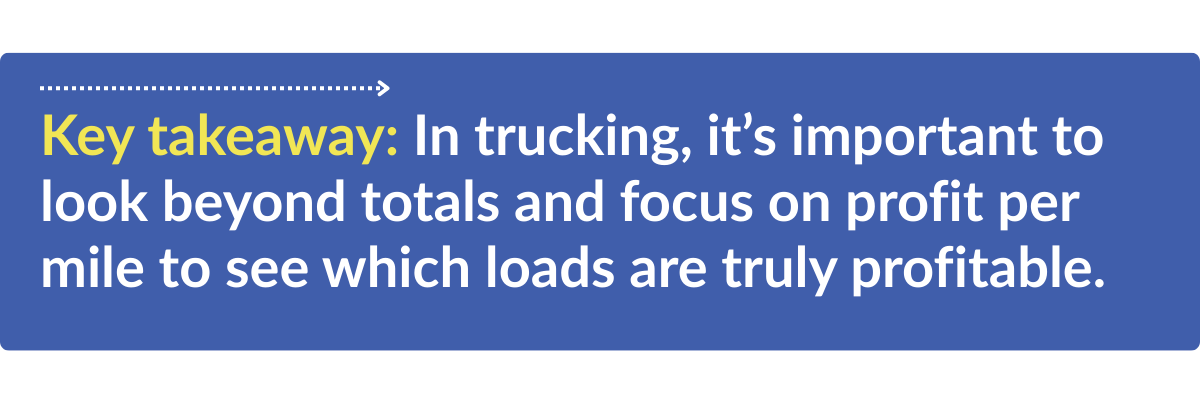
Tip: Track revenue per mile by dividing total earnings by miles ($15,000 / 10,000 miles = $1.50 per mile). This reveals if loads pay well and helps truckers choose the most profitable jobs. Freight factoring can help by ensuring steady cash flow.
Good tracking is the foundation for trucking bookkeeping. Regularly tracking your income and expenses helps you avoid financial surprises and negotiate better rates.
Typical Trucking Expenses – Where Your Money Goes
Expenses reduce your revenue, so know them well. It can help to group them and identify problems.
Common ones:
- Fuel: Biggest variable cost, based on prices and miles.
- Insurance: Largest set price typically, covers damage, loads, and more.
- Truck payments: Monthly fixed cost for your truck(s).
- Maintenance: Tires, oil, repairs.
- Driver pay: Wages or your own take-home.
- Tolls and permits: Fees for roads and government regulations.
- Office costs: Phones, software, computers, etc.
Know Fixed vs. Variable
A fixed expense stays the same each month, like an insurance payment that doesn’t fluctuate. A variable expense can increase or decrease from month to month, like fuel costs that change based on usage and pricing.
Examples of both costs:
| Fixed Cost | Variable Cost |
|---|---|
| Insurance | Fuel |
| Truck Lease | Repairs |
| Permits/Licenses | Tolls |
| Office Software | Driver Pay |
How to Read Your P&L and Spot Problems Early
Your P&L helps you see trends and make smart choices. Check your P&L each month to spot problems early and adjust your strategy.
Watch for warnings:
- Did your fuel expense increase more than revenue? Consider adding fuel charges or investigating better routes.
- Repairs rising? Check maintenance on old trucks.
- Profits dropping? Costs are growing faster than income.
Steady profit per mile, expenses in check, and reliable revenue are all good signs of a healthy trucking business.
Easy steps:
- Compare months: Why did costs rise?
- Key numbers: Profit margin (profit / revenue) aims for 5-10% in trucking.
- Use reputable software like QuickBooks for reports.
Catch issues early to fix them. For truck driver bookkeeping, stay consistent. Invoice factoring, so your P&L reflects true and timely profits.
Tips to Keep Better Books and Improve Profit
You don’t need to be an expert in truck driver accounting or expensive trucking accounting software. Using simple habits and tools can be effective.
Try these:
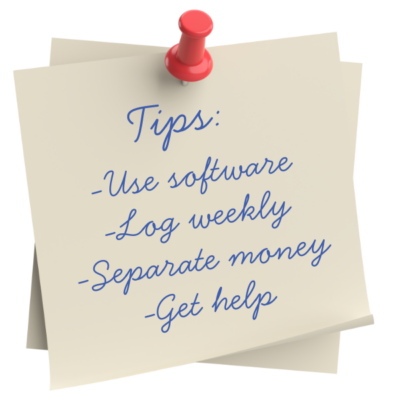
- Software:QuickBooks, TruckBytes, or spreadsheets.
- Log weekly: Enter money in and out often.
- Separate: Keep business and personal money apart, always.
- Get help: Use a bookkeeper who knows the trucking industry.
This makes bookkeeping for owner-operators easy. Steady cash flow cuts stress. Freight factoring from Apex Capital provides fast, easy cash flow, so bills are paid on time, and books are accurate. This can free you up to focus on growing, not worries.
Unlock Greater Trucking Profits: Key Takeaways and Next Steps
Your P&L puts actionable knowledge in your hands. It clearly shows what’s working and where you can improve, from cost per mile to profit per mile. This can help you build the strong, profitable trucking business your hard work warrants.
You’ve got this. Stay consistent. Start reviewing your numbers today, and watch your business grow stronger and more successful.
Take the next step to grow your trucking business. Get steady cash flow now. Call Apex Capital at 855-369-2739 or apply now to start freight factoring with a trusted partner. Don’t wait, put your business on the road to success today!